
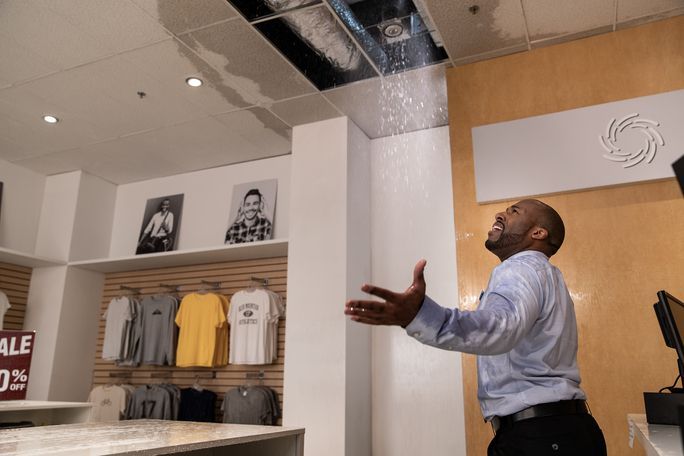

Moisture control is the backbone of structural longevity,whether you’re building residential, commercial, rental units, or mixed-use developments, .
Before diving into waterproofing options like APP membranes, cementitious coatings, or liquid membranes, it’s important to understand two commonly confused terms: DPC (Damp Proof Course) and DPM (Damp Proof Membrane).
https://trudeal.co.ke/product-category/building-material/water-proofing/
DPC vs DPM — What’s the Difference?
1️⃣ DPC – Damp Proof Course
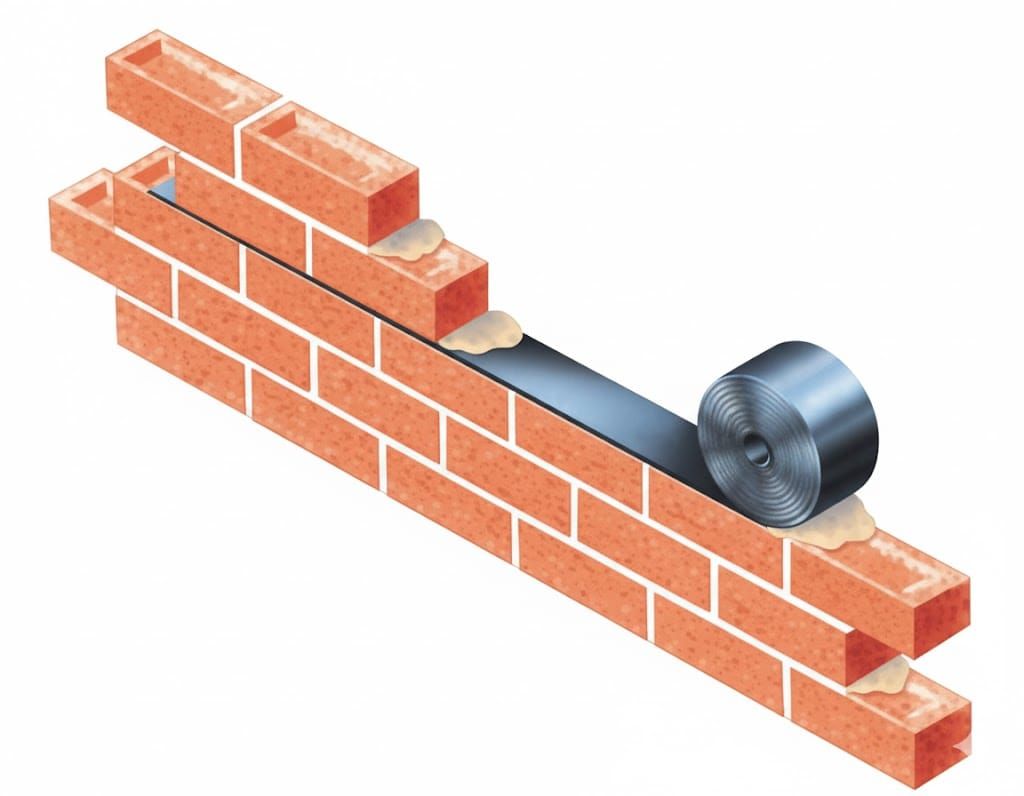
A horizontal barrier installed at wall level (usually above ground level) to prevent rising damp from the soil from creeping up masonry walls.
Common materials:
- Bituminous rolls
- Polythene sheets
- Stone layers (in traditional construction)
- Injection-based chemical damping (modern)
2️⃣ DPM – Damp Proof Membrane
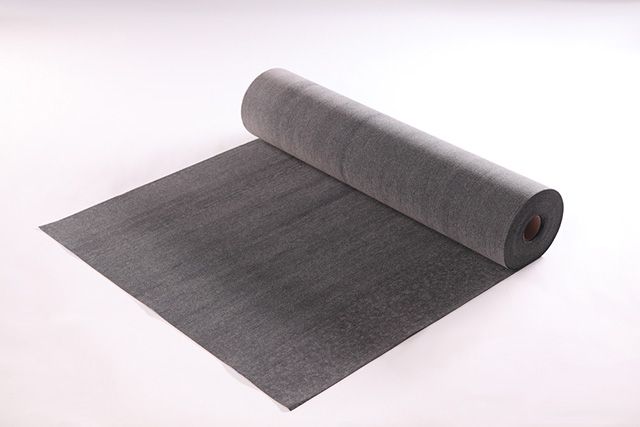
A continuous membrane placed beneath the slab or floor to prevent moisture ingress from below.
Usually thicker than DPC and installed across a wide area.
Relation to Waterproofing
DPC and DPM control moisture; waterproofing controls water under pressure.
Together, they form a complete moisture + water protection system for Kenyan construction.
Why Waterproofing Matters in Kenya
Kenya’s construction environment poses unique moisture challenges due to:
- High rainfall intensity (especially Nairobi, Kiambu, Kisumu, Kericho, Nyeri)
- High water tables (Ruiru, Juja, Syokimau, Ruaka)
- Poor soil drainage (clay zones in Nairobi, Thika, Eldoret)
Common problems caused by poor waterproofing:
- Leaking flat roofs
- Damp walls
- Basement seepage
- Cracked tiles due to moisture pressure
- Mold, fungus, and allergies
- Peeling paint and efflorescence
APP Membrane Waterproofing (Atactic Polypropylene)
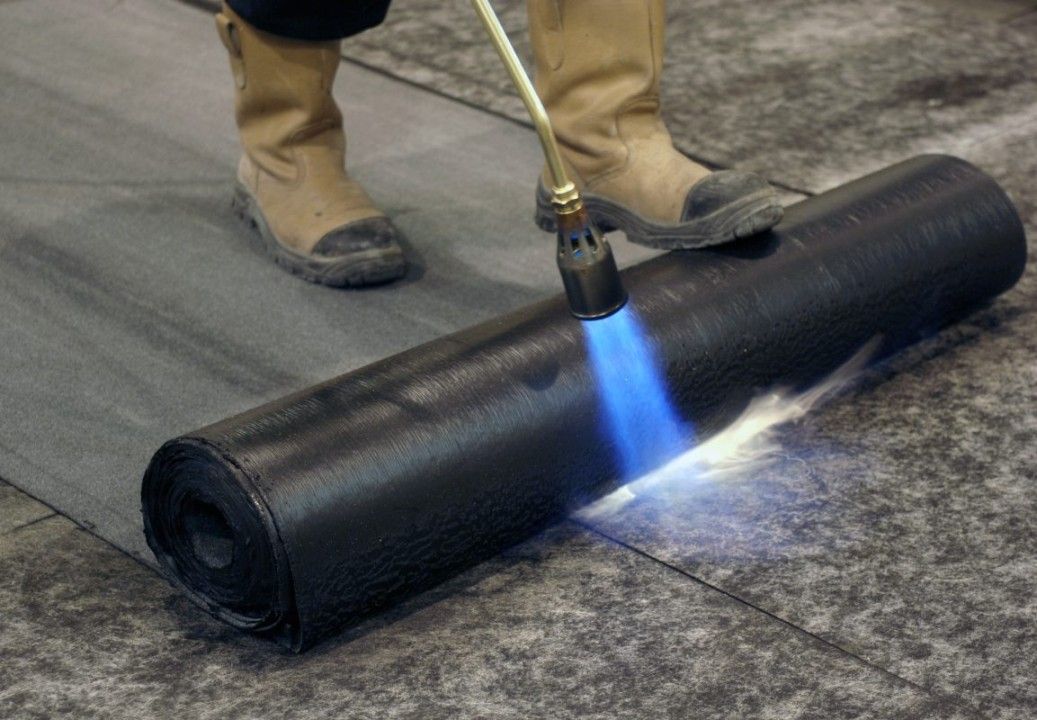
APP membrane is the most widely used waterproofing solution in Kenya, especially for flat roofs and concrete surfaces. It is a bitumen-based membrane modified with plastic (polypropylene) for elasticity and longevity.
✔ Features of APP Membrane
- Torch-applied for strong adhesion
- Thickness: 3mm–4mm
- Reinforced with polyester or fiberglass
- UV-resistant
- Durable for 15–20 years
- Flexible under temperature changes
Best Applications
- Concrete flat roofs
- Balconies & terraces
- Water tanks (outer surface)
- Basements
- Podiums
- Retaining walls
- Bathrooms (under tiles)
Pros
- Excellent heat and UV resistance
- Strong tensile strength
- Long lifespan
- Ideal for Kenya’s hot climates
Limitations
- Requires a trained installer
- Must be torch-applied carefully
- Cannot be left exposed without UV coating
Alternatives to APP Membrane in Kenya
1️⃣ SBS Membrane (Styrene-Butadiene-Styrene)
An elastomeric membrane with higher flexibility—ideal for cold areas (Timau, Nyahururu).
- More elastic than APP
- Excellent for movement-prone areas
- Costlier than APP
2️⃣ Cementitious Waterproofing
A two-component cement + polymer coating widely used in:
- Bathrooms
- Water tanks (internal)
- Swimming pools
- Basements

Pros:
- Easy to apply
- Affordable
Cons: - Not UV-resistant
- Requires curing
3️⃣ Liquid Waterproofing (Acrylic or Polyurethane)
Applied like paint, forms a seamless membrane.
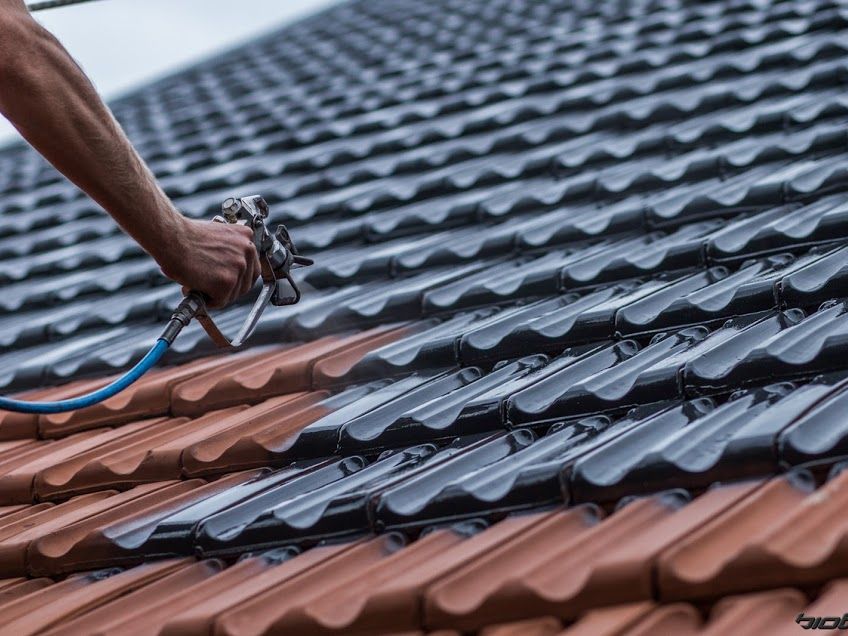
Uses:
- Rooftops
- Metal sheets
- Gutters
- Parapet walls
Pros:
- Seamless finish
- Fast to apply
Cons: - Lifespan shorter than APP
4️⃣ Bituminous Paint (Cold Applied)
Good for:
- Foundation walls
- Retaining walls
- External basements
Pros:
- Affordable
Cons: - Not suitable for water under pressure
5️⃣ HDPE & PVC Membranes
High-end membranes used in commercial developments, malls, tunnels.
Pros:
- Very long lifespan
Cons: - Requires specialized installation
- Costly
🧰 Installation Tips for APP Membrane (Kenyan Conditions)
✔ Prepare the substrate
- Surface must be dry, clean, dust-free
- Repair all cracks and joints
✔ Apply primer
Improves adhesion and prevents blistering.
✔ Torch application
- Overlap joints by 75–100mm
- Heat evenly until bitumen flows
- Avoid over-burning
✔ Protection layer
Apply:
- Screed
- Geotextile
- Aluminum UV coat
✔ Drainage
Provide slope of 1–2% minimum to avoid water stagnation.
Choosing the Right Waterproofing Solution
| Problem | Best Solution | Why |
| Flat roof leakage | APP membrane | Long-lasting & UV-resistant |
| Water tank | Cementitious | Food-safe & strong bond |
| Basement seepage | APP + Cementitious | Multi-layer protection |
| Wet rooms (bathrooms) | Cementitious | Tile-friendly |
| Metal roofs | Liquid waterproofing | Flexible & seamless |
Advantages of Modern Waterproofing
- Prevents structural damage
- Reduces repair costs
- Increases property value
- Provides thermal insulation (APP)
- Reduces mold and allergy risks
⚠ Cautions
- Avoid cheap, non-branded membranes
- Insist on trained installers
- Ensure full surface preparation
- Demand warranty (material + workmanship)
🔗 Recommended Supplier: Trudeal Stores Kenya
For genuine waterproofing materials—APP membranes, cementitious coatings, liquid waterproofing, and tools—visit:
Reliable, affordable, verified materials in Kenya.